
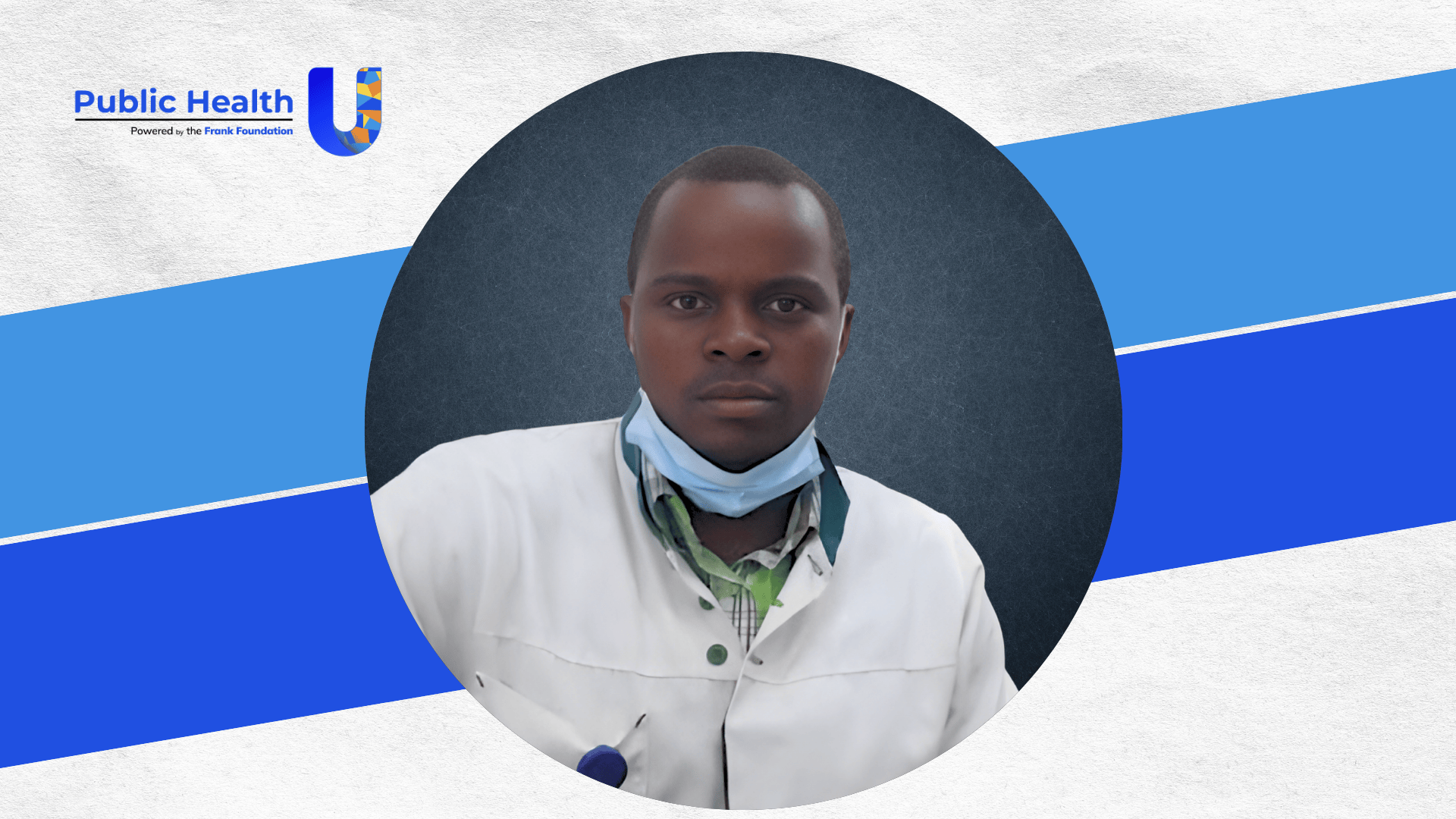
“I am Jean Claude Nshimiyimana, from Rwanda, Senior Clinical Laboratory Scientist and public health expert with over ten years of experience strengthening laboratory systems across Africa and emergency settings. My journey began in Rwanda’s public hospitals and expanded through work with MSF, the African Union, International Committee for Red Cross (ICRC), WHO, and UNICEF, among others. I have supported outbreak response, surveillance, and laboratory capacity building for diseases including Ebola, meningitis, malaria, COVID-19, TB, HIV, etc. My work focuses on linking quality diagnostics to effective public health action.”
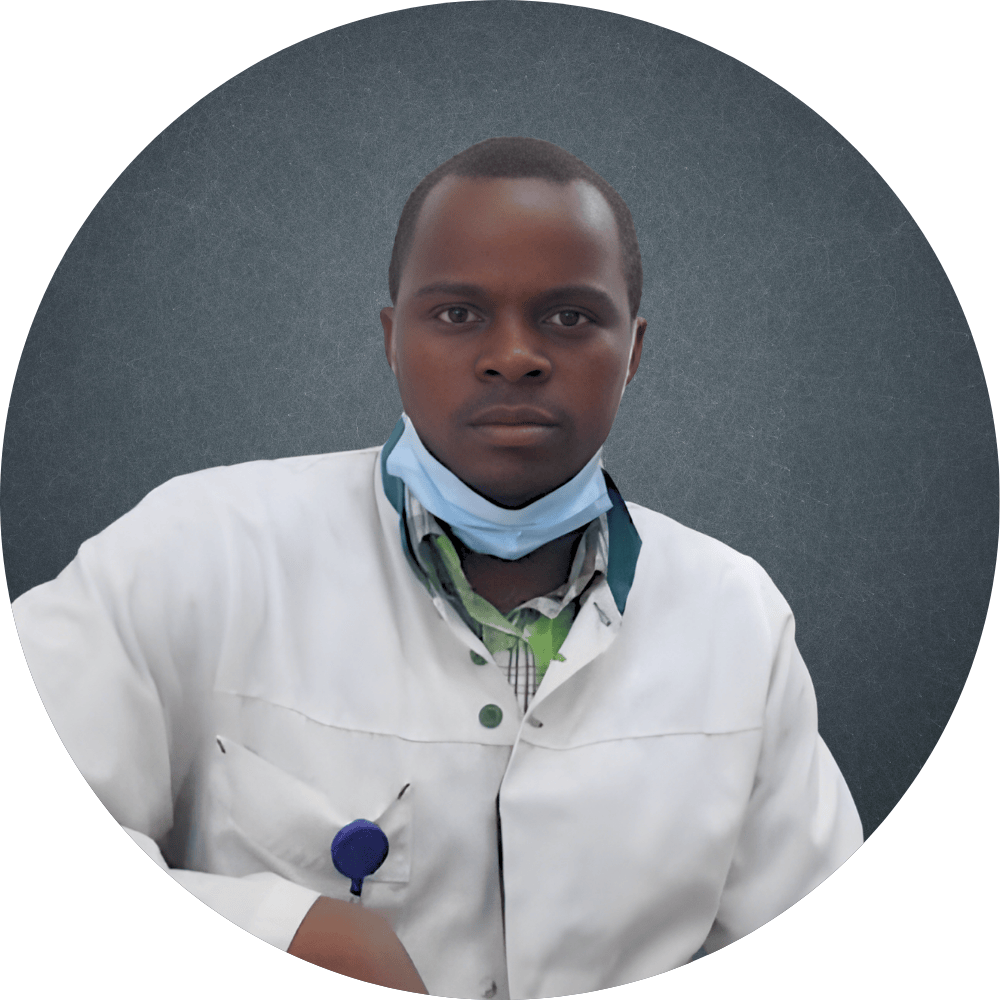
Jean-Claude Nshimiyimana
“The Tropical Diseases course strengthened my understanding of the social, environmental, and systemic factors that sustain neglected tropical diseases. It deepened my appreciation of how poverty, conflict, weak surveillance, and limited diagnostics intersect to delay detection and response. The course reinforced the importance of integrated approaches combining laboratory systems, community engagement, and prevention strategies. This perspective now guides how I design diagnostic services and training programs in vulnerable contexts.”
Jean-Claude Nshimiyimana
“While working with the ICRC in Niger and Mali, I supported laboratories diagnosing meningitis, cholera, malaria, and other tropical infections in conflict settings. By strengthening specimen referral systems, introducing standardized SOPs, and training national staff, I significantly improved the timely confirmation of outbreaks. This enabled faster treatment (case management), better infection control in the supported hospitals, and a more coordinated public health response between the Ministry of Health and NGOs. The experience demonstrated how applied tropical disease knowledge can directly reduce morbidity and mortality.”
Jean-Claude Nshimiyimana
“The biggest challenges include limited access to quality diagnostics, fragile supply chains, shortages of trained laboratory personnel, and delayed surveillance data. In many communities I worked in, health facilities lack basic infrastructure (diagnostic capability), making early detection and confirmation of NTDs difficult (here I remember the cases in Central Africa and South Sudan’s remote areas I worked in). Furthermore, stigma, insecurity, and weak referral systems further hinder timely response. Thus, addressing NTDs requires not only medical tools but also system-wide investment and community trust in the health care providers/system.”
Jean-Claude Nshimiyimana
“The course reinforced the importance of prevention, early detection, and equity-driven public health interventions. It strengthened how I integrate surveillance, laboratory quality management, and community-oriented strategies into my work. I now place greater emphasis on designing diagnostic services that are accessible, sustainable, and aligned with national disease priorities. This has influenced how I support ministries of health and global partners in building resilient diagnostic and surveillance systems.”
Jean-Claude Nshimiyimana
“I would encourage professionals to build strong technical foundations while remaining deeply connected to community realities. Tropical disease work demands flexibility and cultural sensitivity/cultural competence coupled with commitment to health equity. Thus, invest in interdisciplinary skills (diagnostic laboratory science, surveillance programs, and public health interventions with participative program design) and seek field experience in underserved settings as well. Most importantly, focus on sustainable health interventions that empower local health workers and strengthen long-term public health capacity.”
Jean-Claude Nshimiyimana