
In recognition of World Tuberculosis Day, we spoke with one of our dedicated volunteers from the PHU Communicable Disease course. Dr. Alabi Temitope John, an independent researcher and freelancer from Nigeria, has been a committed tutor with PHU and is also an alumnus of the MPH program at People’s-uni. Through his research, publications, and social media engagement, he actively promotes public health awareness and education. Here is what he had to say:
Question: Why does World Tuberculosis Day remain critically important in today’s global health landscape?
“Tuberculosis remains one of the world’s deadliest infectious diseases. World Tuberculosis Day raises global awareness and provides an avenue to emphasize the urgent need to prioritize prevention, early diagnosis, and treatment. It sustains the global campaign to eliminate TB while highlighting the critical health, social, and economic challenges TB creates worldwide.”
Question: From your perspective, what are the most pressing challenges in TB prevention and control?
“In my humble opinion, the pressing challenges to TB prevention and control include the slow pace of new vaccine development, especially considering the variable protection offered by the Bacillus Calmette-Guérin (BCG) vaccine. Additionally, the long and often complex treatment regimen has been a serious barrier to patient adherence. Moreover, drug resistance has made TB treatment difficult and costly, and represents a challenge both in LMIC as well as on HIC.”
Question: How can health professionals strengthen early detection and treatment adherence in resource-limited settings?
“Health professionals in resource-limited settings can strengthen early TB detection and treatment adherence by enhancing their diagnostic capacity. The adoption of rapid diagnostic tools and the use of mobile clinics to increase access would be particularly helpful. Additionally, prioritizing the screening of high-risk groups and considering shorter treatment regimens are important strategies. Furthermore, integrating TB treatment with other health services and ensuring that necessary drugs and diagnostic materials are readily available are essential for effective TB control.”
Question: What role does community education play in reducing TB stigma and improving outcomes?
“Community education provides accurate information about TB, thereby dispelling myths and reducing prejudice. This enlightenment reduces social rejection and creates an enabling environment where people at high risk of the disease are more willing to undergo screening. Furthermore, it facilitates discussions about infection control measures, which help reduce transmission, and emphasizes the importance of completing the full course of treatment to avoid relapse.”
Question: How does understanding TB epidemiology enhance the competencies of students in our Communicable Disease course?
“First, analyzing TB data (incidence, prevalence, and mortality rates) and interpreting trends over time and across different settings enhances students’ analytical and critical thinking skills. Adequate evaluation of research findings and public health data forms the bedrock of evidence-based practice. Second, it sharpens students’ ability to design interventions tailored to specific regions or settings. Third, students develop competencies in outbreak investigation, surveillance, and community education, which are essential skills for public health professionals.”
Question: What message would you like to share with our students and global health professionals on this World Tuberculosis Day?
“To public health students and professionals: Your dedication to learning and frontline work is vital to the global fight against TB. Embrace local action and renew your resolve to end tuberculosis worldwide.”
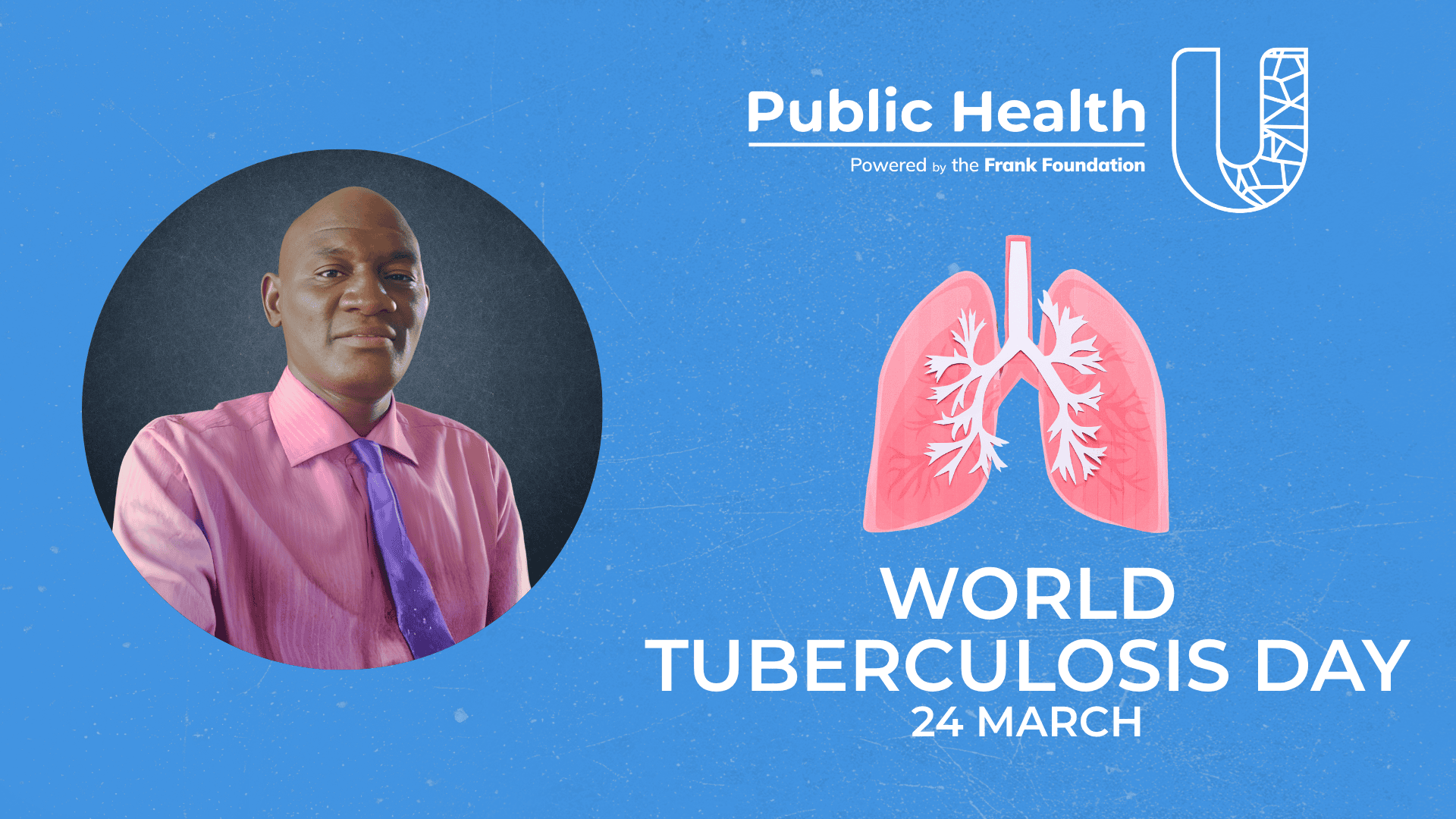
As we mark World Tuberculosis Day, Dr. Alabi Temitope John reminds us that tackling tuberculosis requires ongoing commitment from health professionals, educators, researchers, and communities. At PHU, we are dedicated to equipping learners with the knowledge and skills to address global health challenges like TB. Through education, collaboration, and the efforts of volunteers like Dr. John, we are working toward a future where preventable and treatable diseases no longer threaten community health.