PHU Students Contribute to Global Charter for the Public’s Health Translation Initiative 

Public Health U (PHU), in collaboration with the World Federation of Public Health Associations (WFPHA), engaged in a meaningful project facilitated by PHU team member, Gareth Durrant to translate the Global Charter for Public Health into Arabic. 


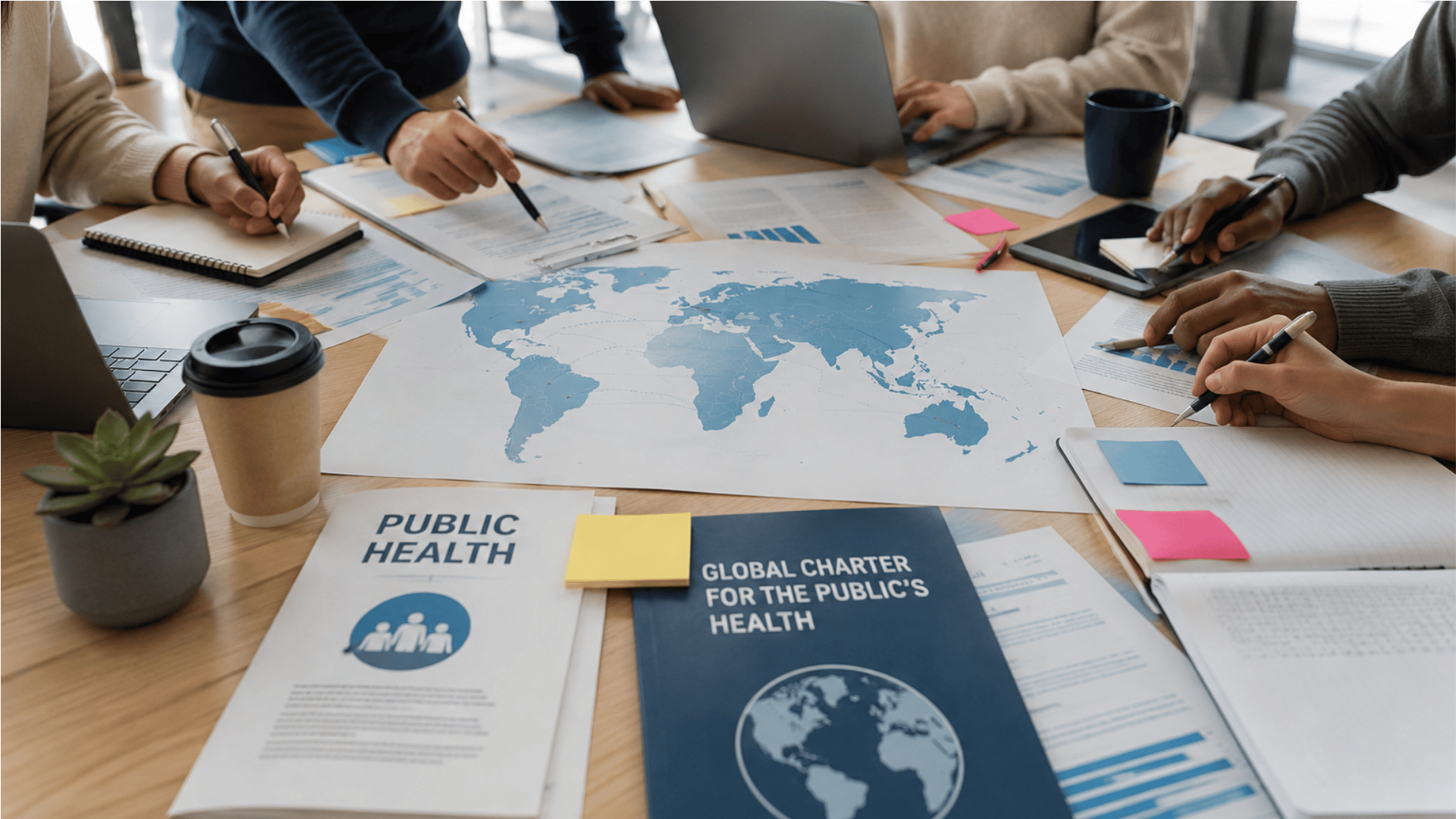
The Global Charter for the Public’s Health is a key resource for students of global health. Developed by WFPHA in partnership with the World Health Organization, the Charter provides a practical framework for defining the scope and enabling conditions of public health practice. Introduced in 2016, it addresses fragmentation across public health systems and the lack of a shared vocabulary for functions, services, workforce development, and quality standards. 

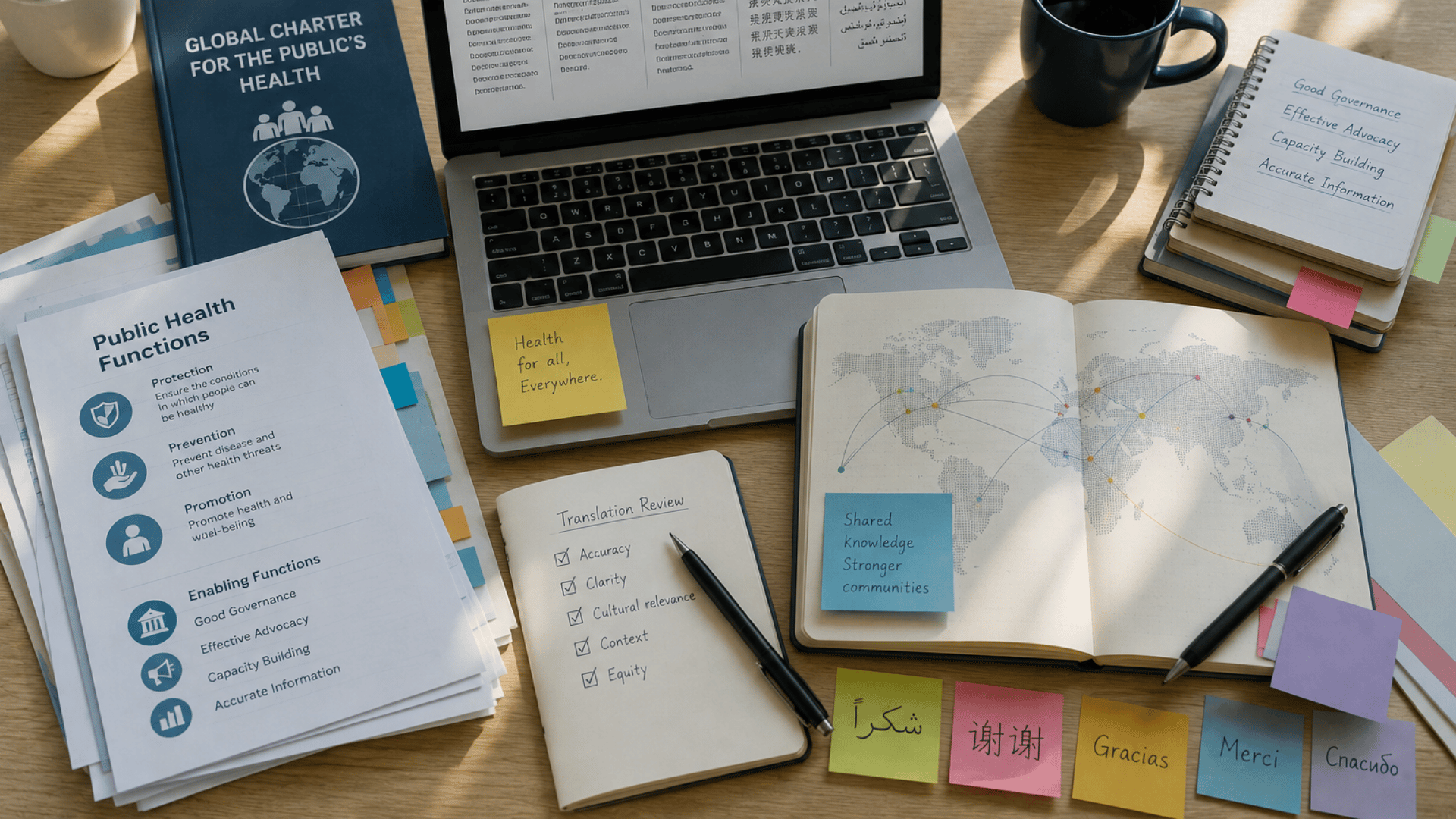
Its core structure defines public health through three services: protection, prevention, and promotion, and is supported by enabling functions. In the 2024 revision, these enablers were updated to Good Governance, Effective Advocacy, Capacity Building, and Accurate Information. This revision is especially timely, as public health continues to navigate misinformation, political tensions, declining trust, climate challenges, conflict, and evolving workforce needs. In this context, the Charter offers more than a framework; it provides a shared language for how public health is organised, taught, practised, and strengthened.


In early 2026, PETWG began supporting translations of the Charter into the official United Nations languages, including Arabic, Chinese, French, Russian, and Spanish. The Arabic translation was made possible through the contributions of PHU MPH students, Inas Alezabi and Sherwan Khalil, highlighting the strength and impact of PHU’s global student community.


Additional contributions included translations into French, Spanish, and Chinese, with technical review required for all versions to ensure accuracy and quality. The Russian translation is currently in progress, with opportunities to expand into additional languages in the future. Those interested in contributing are encouraged to connect with us at support.mph@nextgenu.org 

A global charter cannot have a global impact if it is not accessible. While translation alone will not solve systemic challenges, it enables something essential: a shared public health language across more classrooms, countries, and communities. Here’s what our PHU students had to say about their experience contributing to this work.


Inas Alezabi, a contributing student, works in the humanitarian sector and currently serves as a Public Health Associate with UNHCR Libya, supporting health programming and emergency response for refugees and asylum-seekers in resource-constrained settings.

“Navigating health challenges in fragile settings has shown me that public health interventions are only as effective as they are understood. Reviewing this text was not just a linguistic exercise but an opportunity to ensure that global frameworks resonate within Arab contexts. Public health resources must be accessible in diverse languages to achieve true health equity and universal health coverage. Accurate translation helps dismantle barriers, empower frontline workers, and enable communities to take ownership of their health outcomes.”
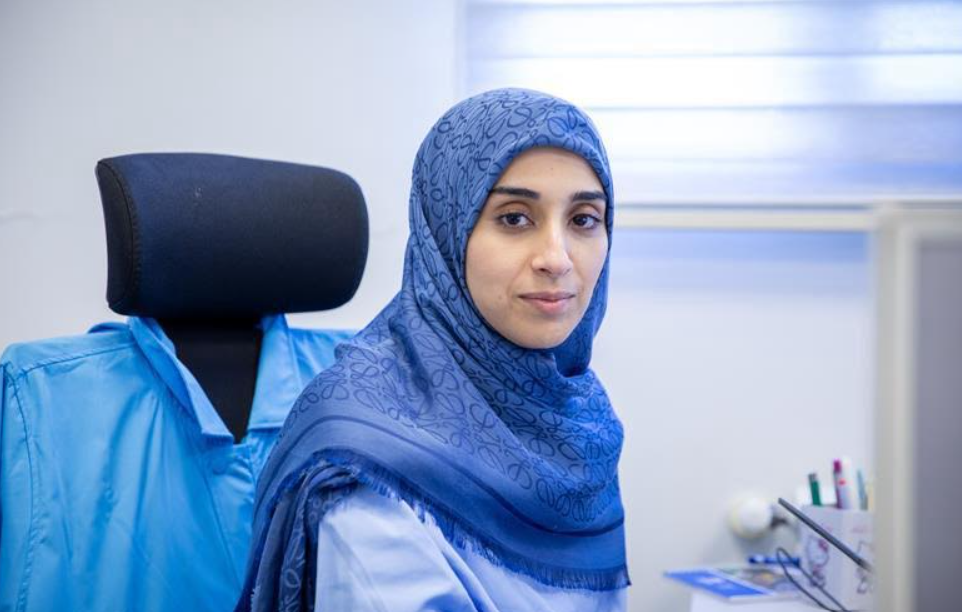
Inas Alezabi

Shrewan Khalil,a PHU student with a strong passion for advancing health equity and improving population health outcomes, had this to say:

“What motivated me most was my sense of belonging to Public Health U and its mission to promote public health. Making resources available in multiple languages, including Arabic, strengthens core public health values and practices. Languages are bridges that enhance public health capacity and further solidify its global impact.”
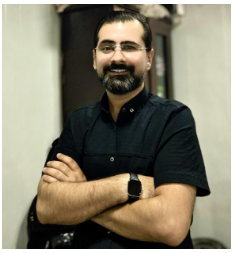
Sherwan Khalil

We are proud that PHU students contributed to this global initiative, reflecting their commitment to advancing public health beyond the classroom and the real-world impact of our learning community. We are also pleased that PHU can endorse and support initiatives that strengthen global collaboration, improve access to public health resources, and promote equity in education and practice.