
Every year, World No Tobacco Day shines a global spotlight on the health and societal harms caused by tobacco use, while advancing policies that protect communities from its devastating effects. This year’s theme, “Unmasking the Appeal: Countering Nicotine and Tobacco Addiction,” calls attention to the strategies used by the tobacco and nicotine industries to make harmful products seem attractive. To explore this issue further, we spoke with Dr. Eduardo Bianco, who currently leads the Addiction Training for Health Professionals (ATHP) program at NextGenU, where strengthening capacity for tobacco cessation remains a central focus. With more than three decades of experience, Dr. Bianco has played a pivotal role in advancing tobacco cessation efforts.
Here’s what he had to say on World No Tobacco Day:
1. Can you tell us a little about yourself and your work in tobacco control?
“In 1998, I became the Director of the Tobacco Control Program at the InterAmerican Heart Foundation, marking the start of my regional work. I later helped establish Uruguay’s Tobacco Control Commission and led the development of a national cessation program that trained hundreds of health professionals and supported tens of thousands of people in quitting smoking. In 2006, I co-founded the Research Center for the Tobacco Epidemic (CIET Uruguay), strengthening research and advocacy efforts.

Over time, my work expanded globally, including participation in the WHO Framework Convention on Tobacco Control (WHO FCTC) negotiations and serving as Regional Coordinator for the Americas of the Framework Convention Alliance. I also supported Uruguay in its landmark legal case against Philip Morris International. Throughout my career, I have consulted for PAHO and WHO, and I currently direct the Addiction Training for Health Professionals (ATHP) program at NextGenU.”
2. From your perspective, what are the most pressing challenges in tobacco and nicotine control today?
“The WHO FCTC has been instrumental in reducing tobacco use globally, but the problem is far from solved. One of the main challenges remains the persistent interference of the tobacco industry. In recent years, the industry has repositioned itself through so-called “new” nicotine and tobacco products, promoting a misleading tobacco harm reduction narrative. This strategy is designed both to retain current users and to attract new ones, particularly adolescents.
At the same time, the industry exploits existing weaknesses in cessation systems: insufficient training of health professionals, limited access to medications, and poor integration of cessation into health services. Addressing these gaps is essential. Strengthening tobacco and nicotine use cessation capacity globally is not only a clinical priority but also a key strategy to counter industry influence.”
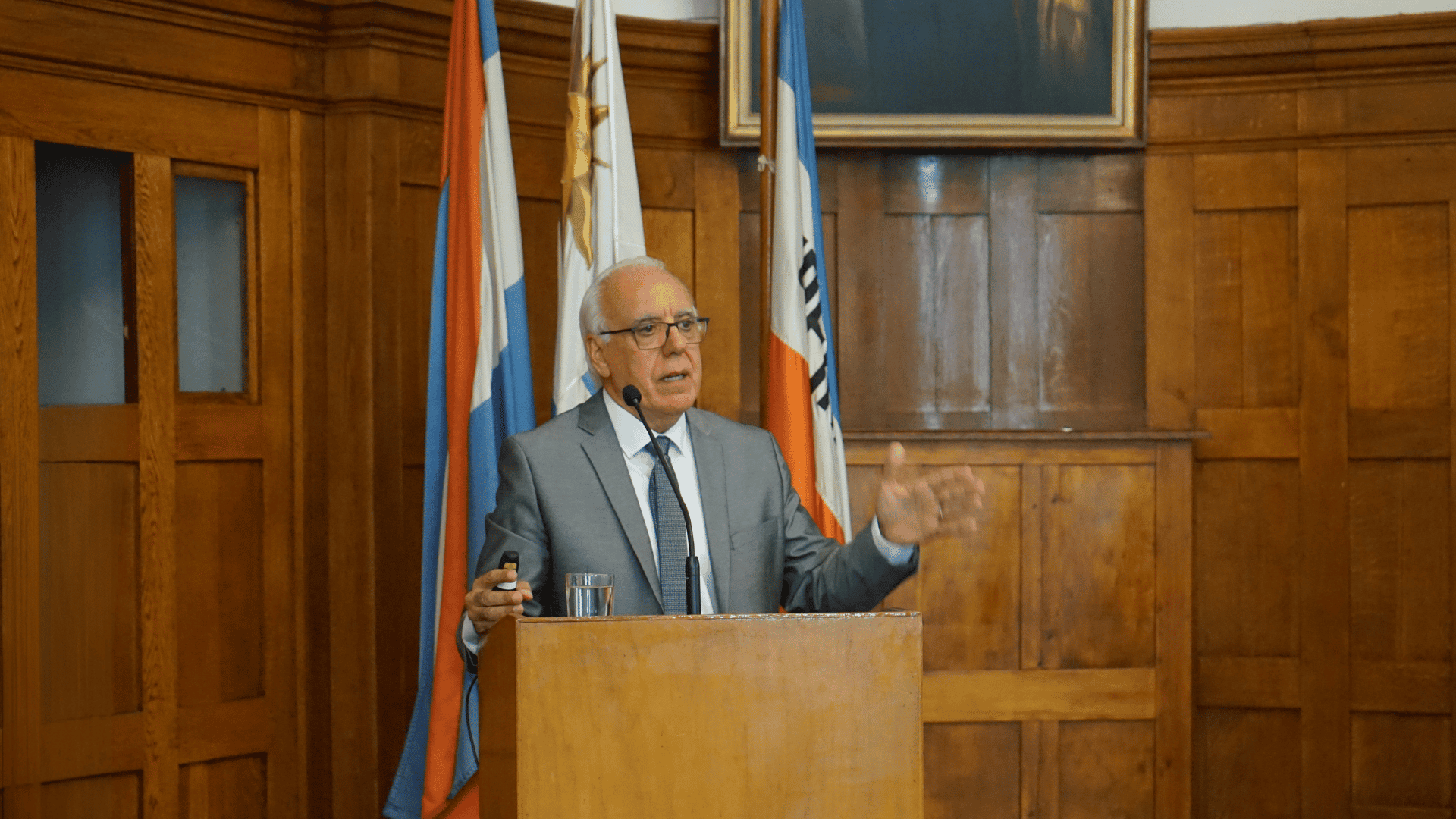
3. How has the landscape of tobacco use evolved, particularly with the rise of new and emerging nicotine products?
“While cigarette smoking has declined in many countries, the market has diversified with the rapid growth of electronic cigarettes, heated tobacco products, and nicotine pouches, especially among young people. The tobacco and nicotine industry has long anticipated the decline of combustible products. By presenting these new products as modern and safer alternatives, it seeks to sustain and expand its business model, which is fundamentally based on nicotine addiction. What we are seeing is not a genuine effort to reduce harm, but rather a transformation and expansion of the market to maintain dependence and recruit new users. This evolving landscape requires a strong, evidence-based public health response to prevent the renormalization of tobacco and nicotine use.”
4. Can you tell us about the Addiction Training for Health Professionals (ATHP) initiative and its overall mission?
“The Addiction Training for Health Professionals (ATHP) is a global initiative that builds the capacity of health professionals to prevent and treat substance use disorders, including tobacco dependence. It provides accessible, evidence-based training, especially in low- and middle-income countries, focusing on practical skills like brief interventions, counseling, and treatment, while addressing stigma and health system integration. Its goal is to empower professionals to reduce the burden of addiction.”
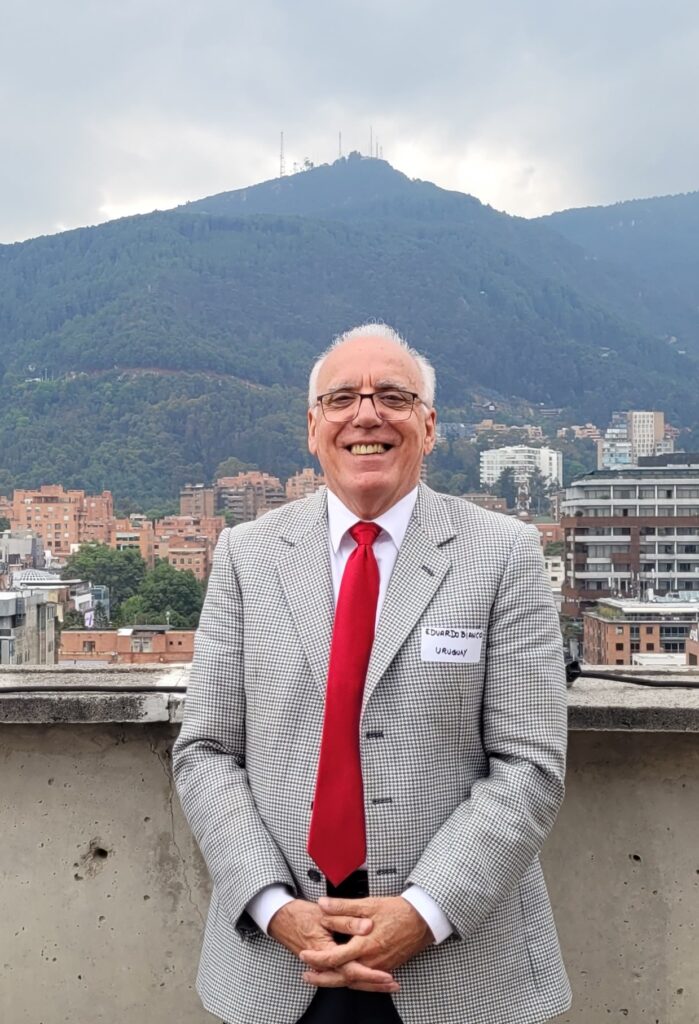
5. How does the Nicotine Addiction and Tobacco Use Treatment Initiative (NATTI) support health professionals in addressing tobacco dependence?
“The Nicotine Addiction and Tobacco Use Treatment Initiative (NATTI) strengthens the capacity and commitment of health professionals to treat tobacco dependence independently of commercial interests. It provides training, clinical tools, and evidence-based guidelines, while supporting the integration of cessation into health systems and the development of national alliances. NATTI also counters tobacco industry misinformation, promotes science-based practice, and fosters collaboration among professionals across regions.”

6. What advice would you give to health professionals who want to become more involved in tobacco cessation efforts?
“My main message is that every health professional has a role to play. You do not need to be a specialist to make a meaningful impact. Start by systematically asking patients about tobacco use and offering brief advice. Even a short intervention can significantly increase quit rates. It is also important to seek training and stay informed. Tobacco dependence is a chronic condition that requires specific knowledge and skills. Equally important is approaching patients with empathy and without judgment. Quitting is difficult, and support is essential. Finally, consider engaging beyond clinical care, through teaching, advocacy, or research. Tobacco control needs committed professionals at all levels.”
7. What gives you hope in the global fight against tobacco and nicotine addiction?
“What gives me hope is the growing global community committed to tobacco control, grounded in science, public health, and human rights. We already have strong evidence of what works, and many countries have made significant progress through effective policy implementation. The WHO FCTC remains a powerful tool with expanding impact. I am also encouraged by the increasing engagement of young people, health professionals, and civil society in challenging industry narratives and advocating for stronger protections. Initiatives like ATHP and NATTI further demonstrate how we can build capacity and strengthen health systems. With continued commitment to evidence-based action and protection of public health policies from industry interference, meaningful progress will continue.”
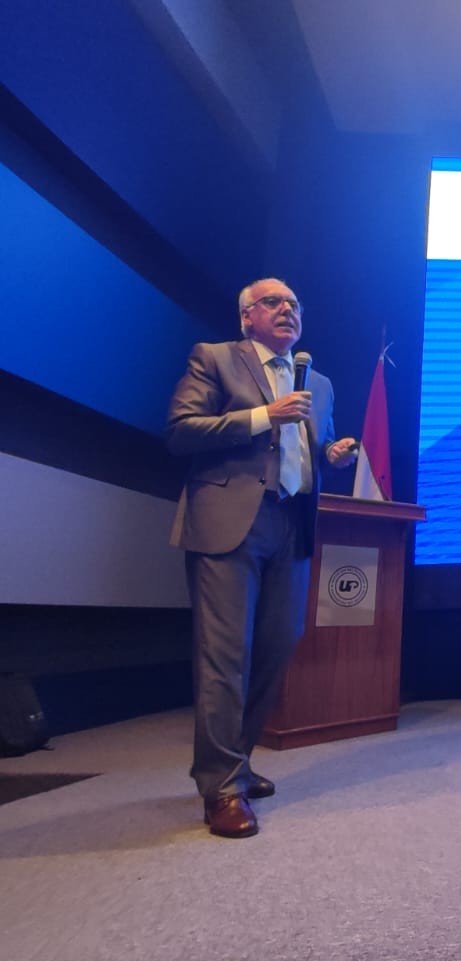
Dr. Bianco’s reflections for World No Tobacco Day remind us that progress in tobacco control is both possible and ongoing, but it requires sustained commitment, collaboration, and courage. Every health professional, policymaker, and advocate has a role to play in advancing evidence-based action and protecting communities from the harms of tobacco. As we continue this work, initiatives like ATHP play a vital role in strengthening capacity, sharing knowledge, and supporting professionals around the world who are working to end the tobacco epidemic. To learn more about this important work and explore how you can get involved, visit ATHP and join the growing global effort toward reducing the global burden of tobacco-related illness.